The workshop was attended by representatives from ministries and sectors, Departments of Agriculture and Environment from various localities, research institutes, universities, experts, international organizations, and press and media agencies.
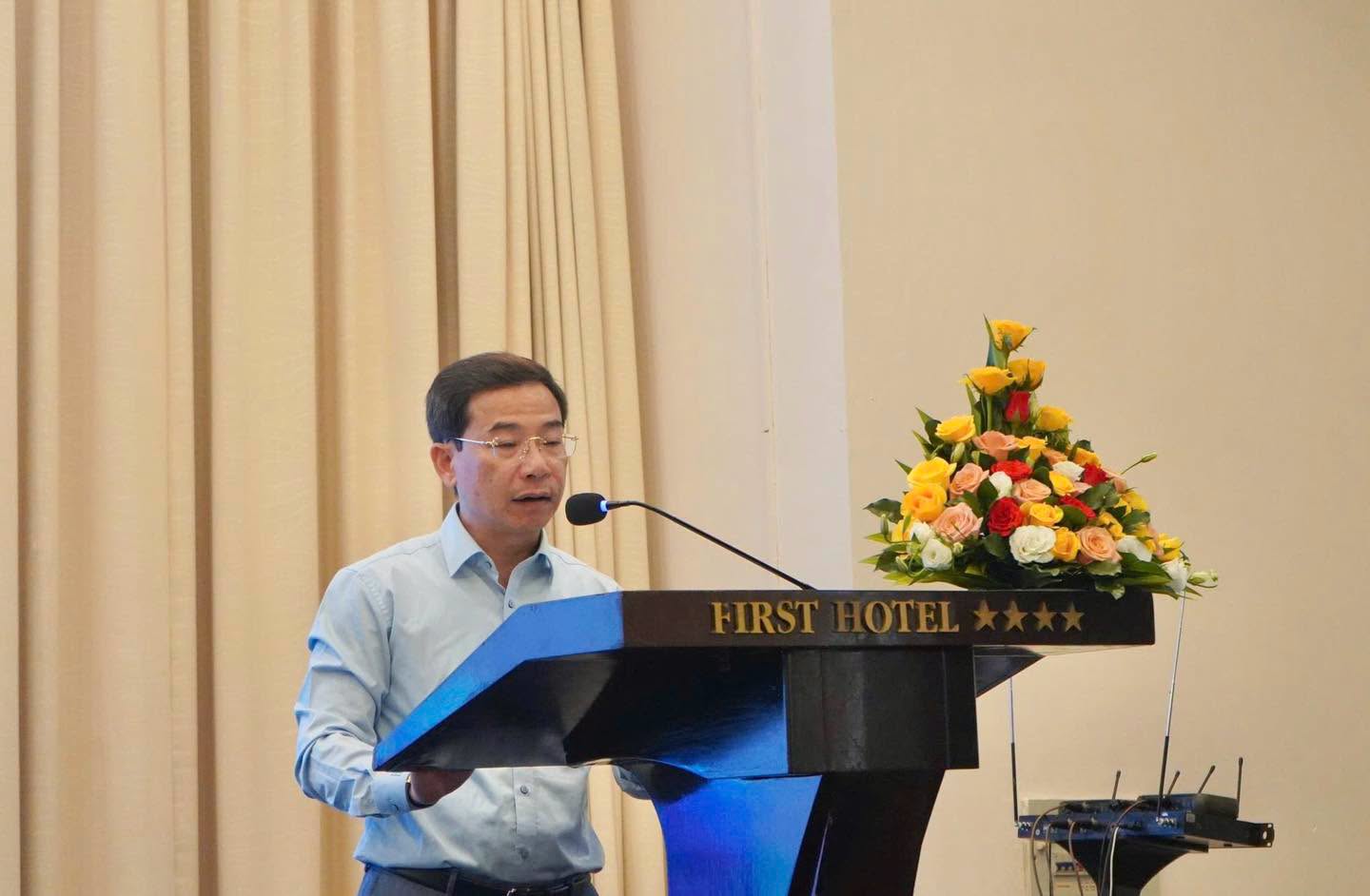
Mr. Nguyen Truong Son, Vice Director General of VDDMA, speaks at the workshop.
Speaking at the workshop, Mr. Nguyen Truong Son, Vice Director General of VDDMA, said climate change is increasing the frequency, intensity and unpredictability of extreme weather events worldwide. In Viet Nam, many types of natural hazards are becoming increasingly complex and difficult to forecast, including out-of-season heavy rainfall, floods outside normal patterns, prolonged heatwaves, drought and saltwater intrusion, as well as multiple hazards occurring consecutively or simultaneously. These developments are creating significant challenges for disaster preparedness, response, coordination and post-disaster recovery.
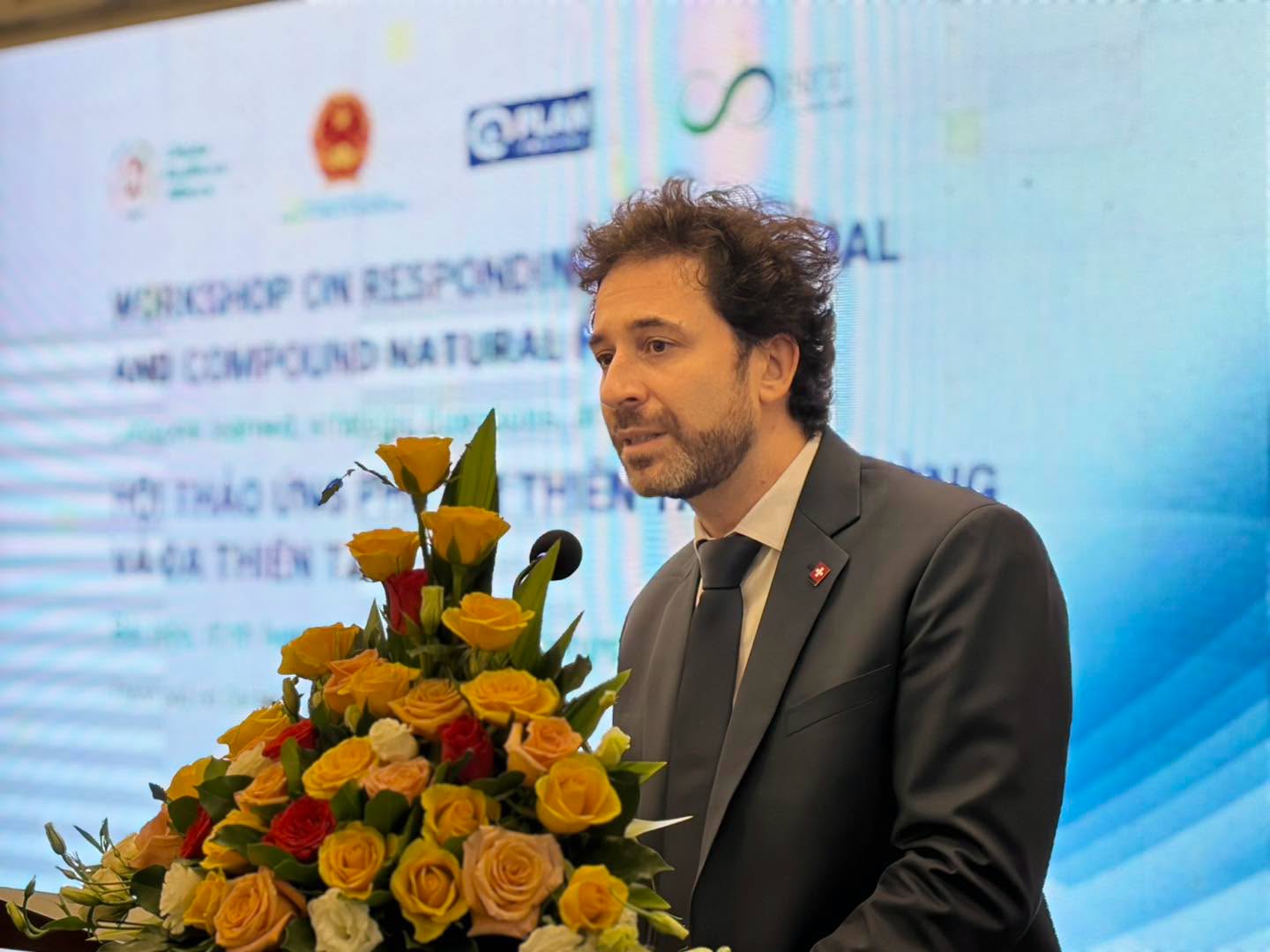
Mr. Omar Bellprat, Regional Advisor and Programme Manager for Southeast Asia, Swiss Agency for Development and Cooperation (SDC).
The workshop provided a forum for government agencies, local authorities, international organizations, experts and scientists to share practical experience, exchange lessons learned from recent disaster events, and discuss trends, directions and solutions to improve the effectiveness of disaster risk management in the context of climate change.
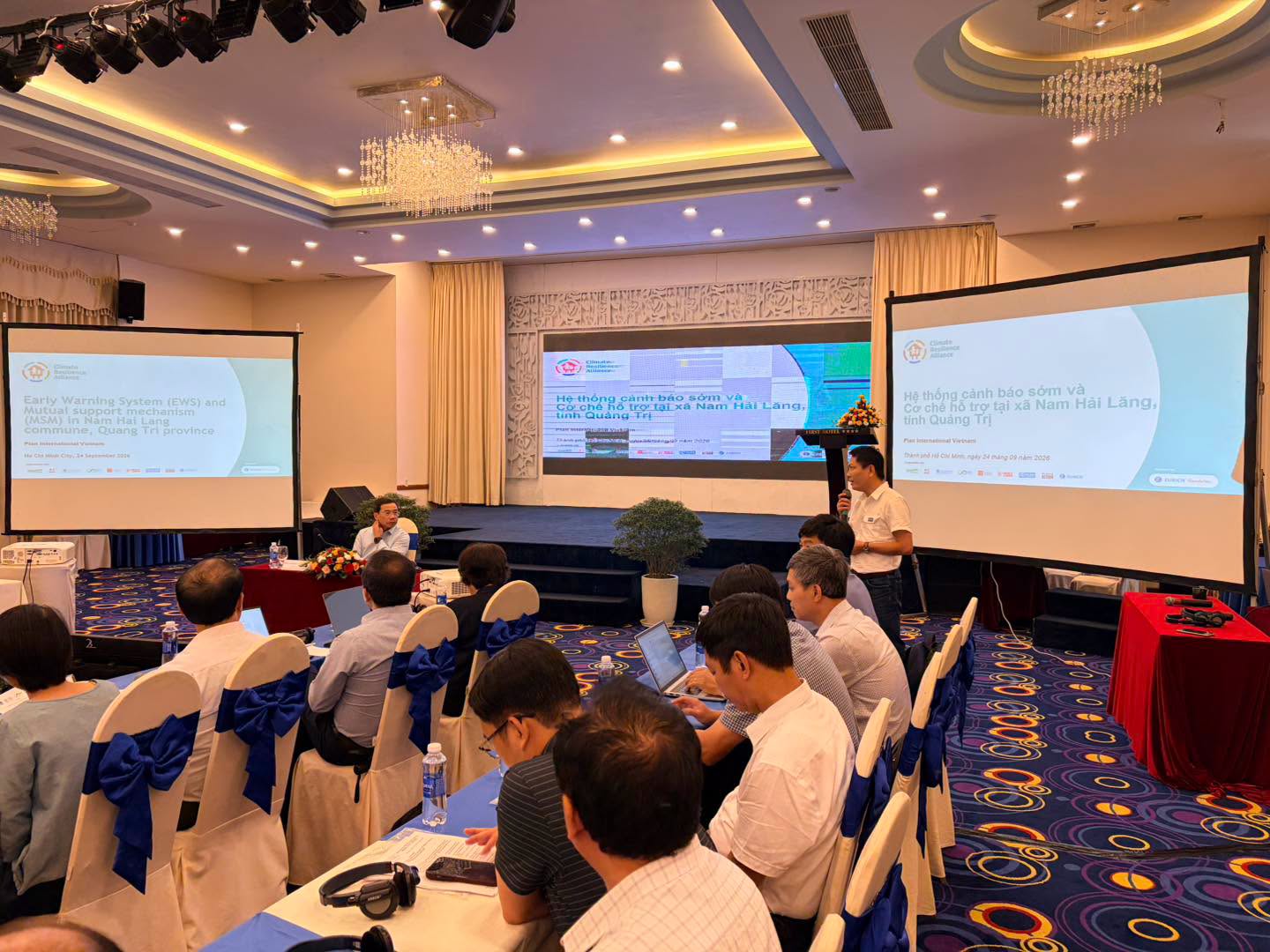
As part of the program, participants discussed lessons and directions for responding to unusual and multiple hazards; findings from post-event assessments of major disasters in Quang Tri and Gia Lai; and experience in developing and operating integrated databases to support disaster management in Hue and Quang Tri. Discussions highlighted the importance of strengthening data sharing, applying technology, enhancing community resilience, and improving disaster risk management tools at the local level.
Through the workshop, stakeholders continued to exchange experience and propose solutions and initiatives to improve disaster management, contributing to stronger community resilience in the face of increasingly extreme and unpredictable hazards.
