The training was attended by representatives of the Ministry of Education and Training, UNICEF Viet Nam, the Nghe An Department of Agriculture and Environment, as well as participants working in disaster prevention and control and the management of evacuation sites at the local level.
As disasters become increasingly complex, extreme, and difficult to predict under the impacts of climate change, evacuation is recognized as one of the key measures to protect lives and minimize losses. However, experience shows that evacuation sites must not only meet safety requirements but also ensure access to essential services, including clean water, sanitation, healthcare, nutrition, and support for vulnerable groups, particularly children.
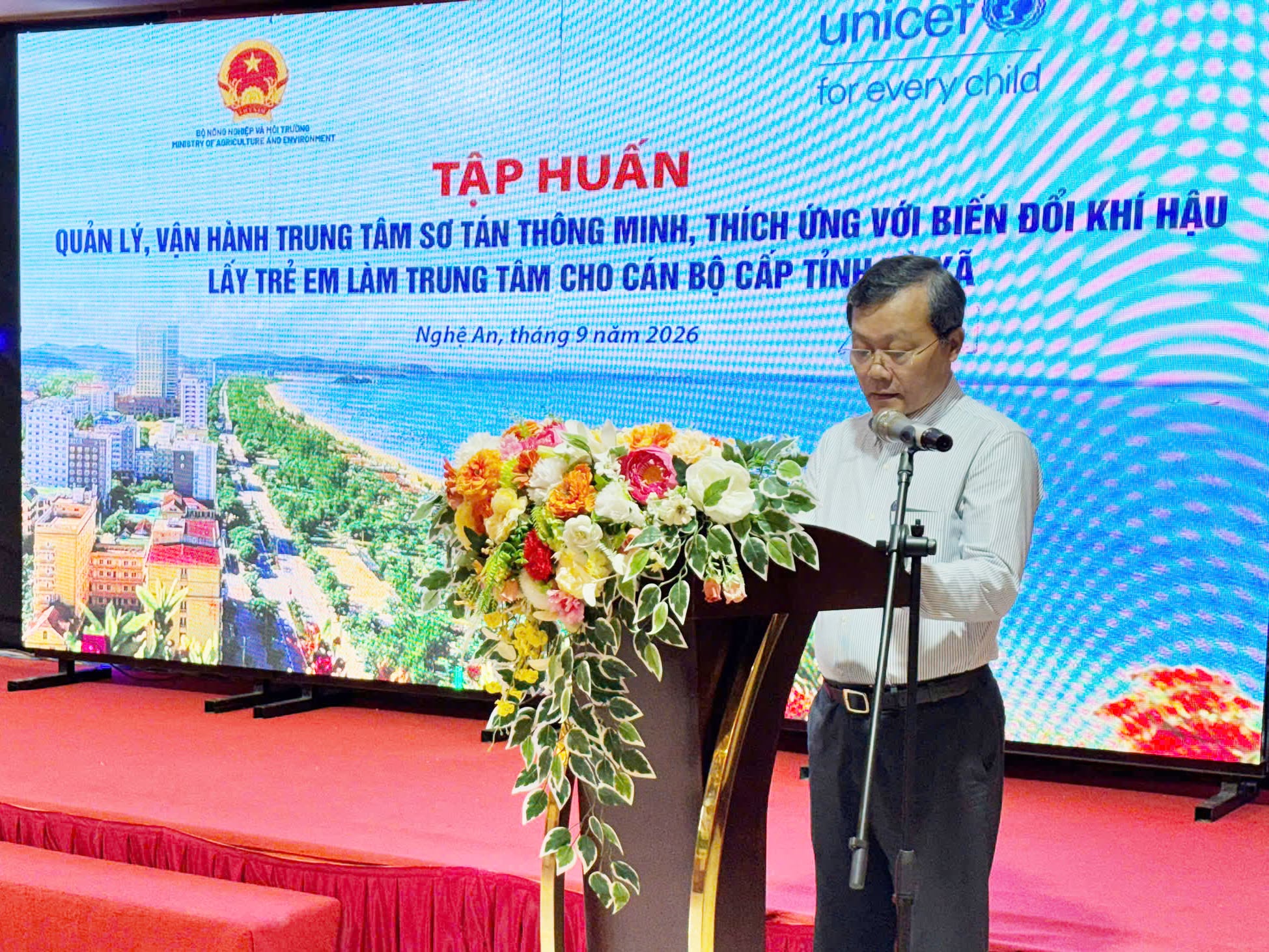
To address these requirements, VDDMA, in collaboration with UNICEF Viet Nam, is piloting a child-centred, climate-resilient smart evacuation centre model in Bich Hao Commune, Nghe An Province. The model aims to establish safe evacuation facilities while applying technology to the management and operation of the centres and the provision of essential services to people during evacuation.
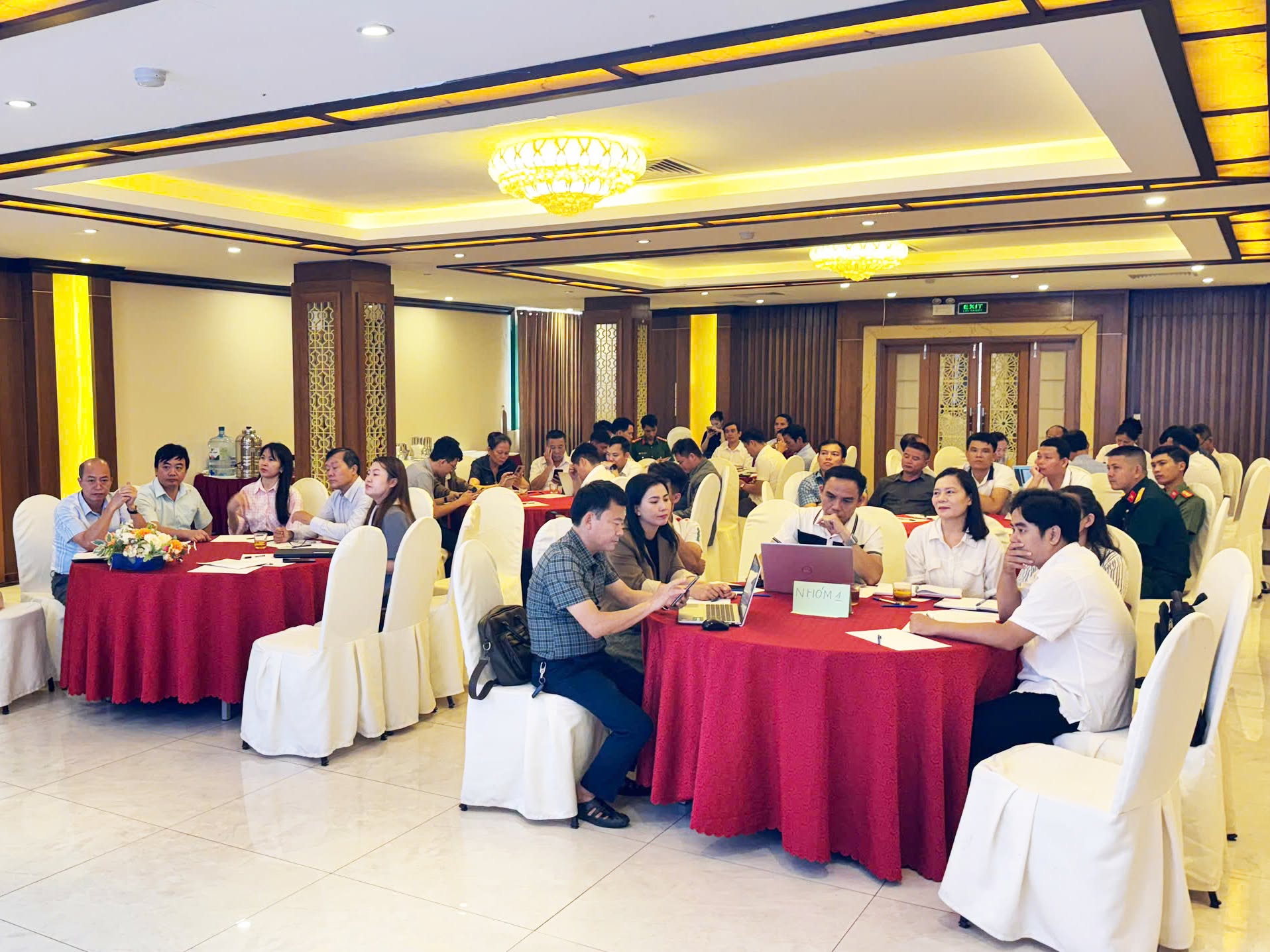
As part of the training, participants were introduced to key aspects of preparing, activating, and operating evacuation centres; organizing the reception of evacuees; ensuring essential services; protecting children and vulnerable groups; as well as procedures for closing the centres and supporting people in returning home after disasters. The training also provided a forum for local authorities to exchange practical experiences, share challenges and difficulties, and propose solutions suited to local conditions.
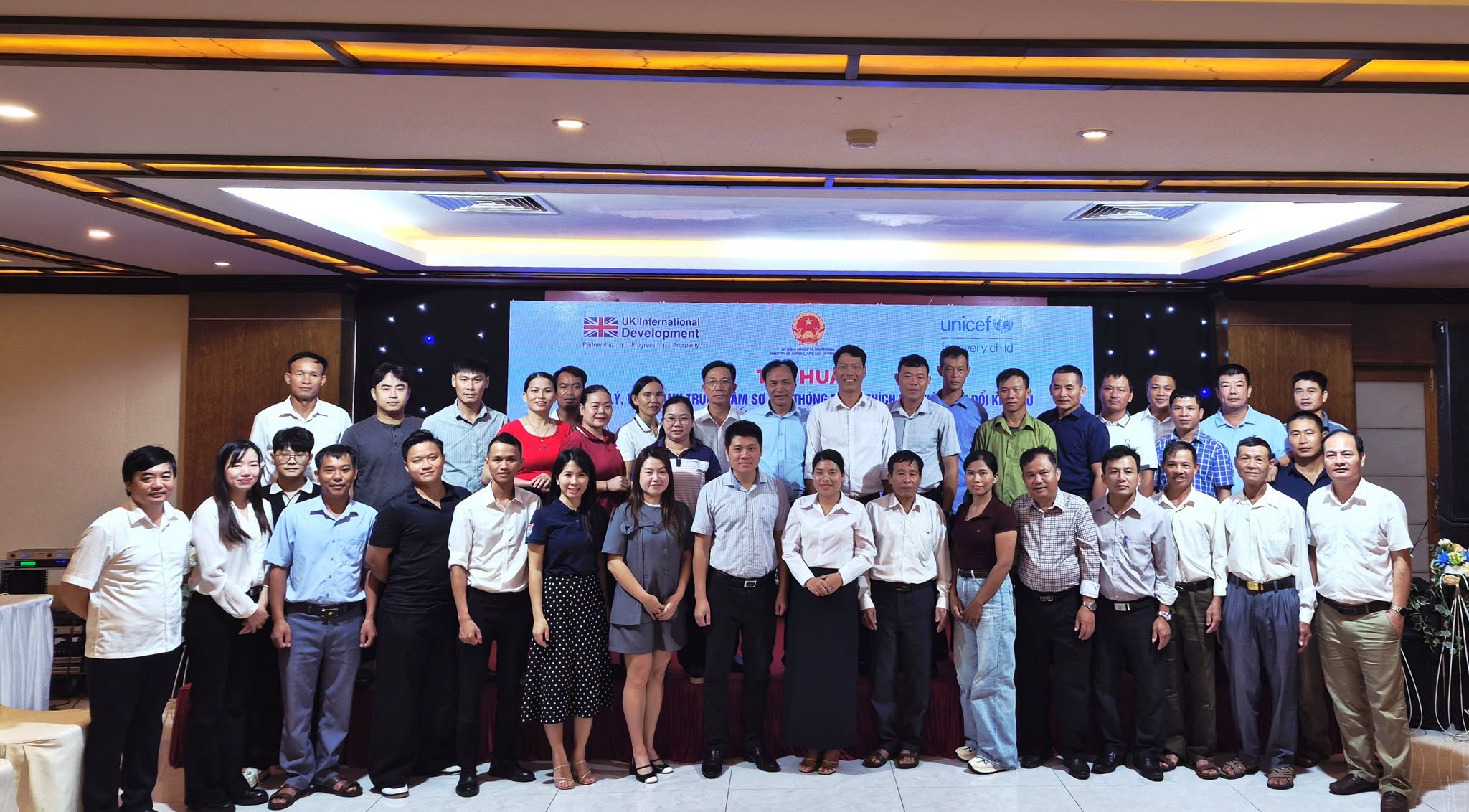
Through the training, the participating agencies and organizations are expected to strengthen their capacity to manage and operate evacuation sites, enhance the protection of people from disasters, and promote the replication of climate change adaptation models in the coming period.
