At the workshop, participants noted that natural hazards and extreme weather events in Viet Nam are increasing in intensity, frequency and unpredictability under the impacts of climate change. Recent responses to heavy rains and flooding in the North Central region have shown that the evacuation of residents remains particularly important for protecting lives and property and ensuring living conditions for people in disaster-affected areas.
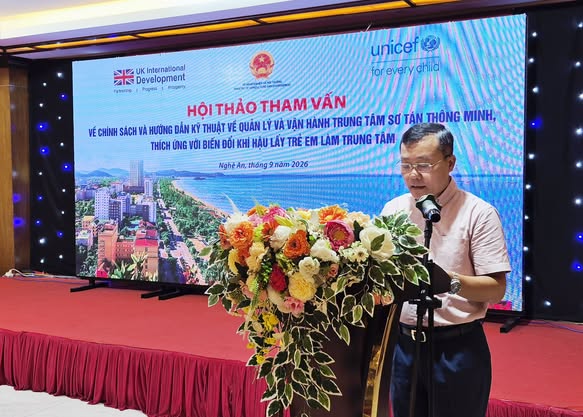
Mr. Nguyen Van Tien, Deputy Director General of the Vietnam Disaster and Dyke Management Authority.
Participants also emphasized that, in addition to providing safe shelter, evacuation centres need to meet requirements for essential services, clean water, sanitation, healthcare, child protection, and support for vulnerable groups such as pregnant women, older people and persons with disabilities. These aspects are receiving increasing attention as disasters become more complex and prolonged.
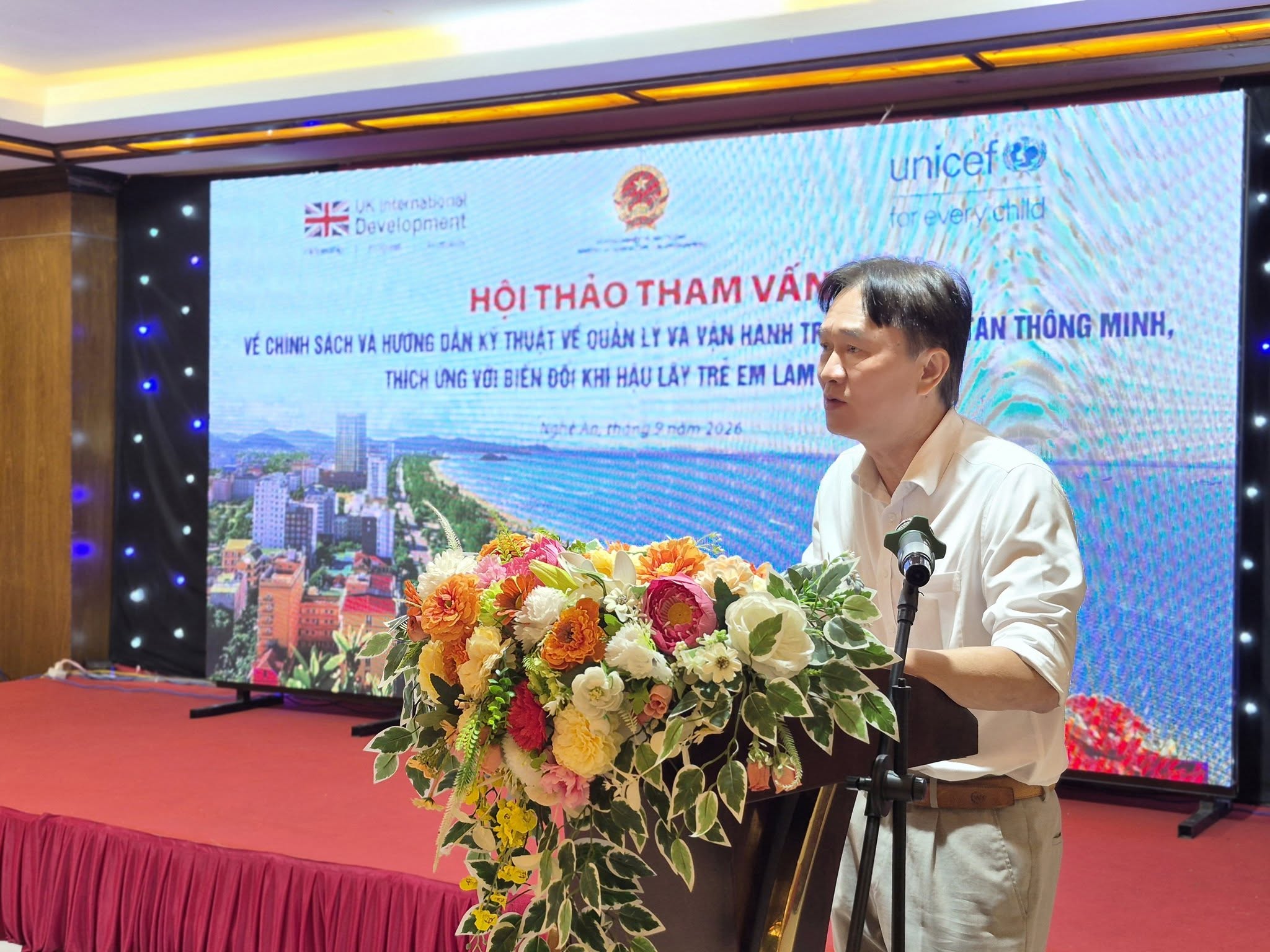
Mr. Ly Phat Viet Linh, Disaster Risk Reduction and Climate Change Programme Specialist, UNICEF Viet Nam.
With support from UNICEF Viet Nam, VDDMA has coordinated the research, development and piloting of a child-centred, climate-resilient Smart Evacuation Centre model in Nghe An Province. The model aims to combine structural safety, the provision of essential services, child protection, enhanced community participation and the application of technology in management and operation.
Prior to the workshop, from September 14 to 17, 2026, two pilot training courses on the management and operation of Smart Evacuation Centres were conducted in Nghe An for local managers, disaster response forces and community members. Initial results showed that topics including evacuation centre operations, child protection, support for persons with disabilities, water supply and sanitation, nutrition, and data management were considered practical and relevant to local needs.
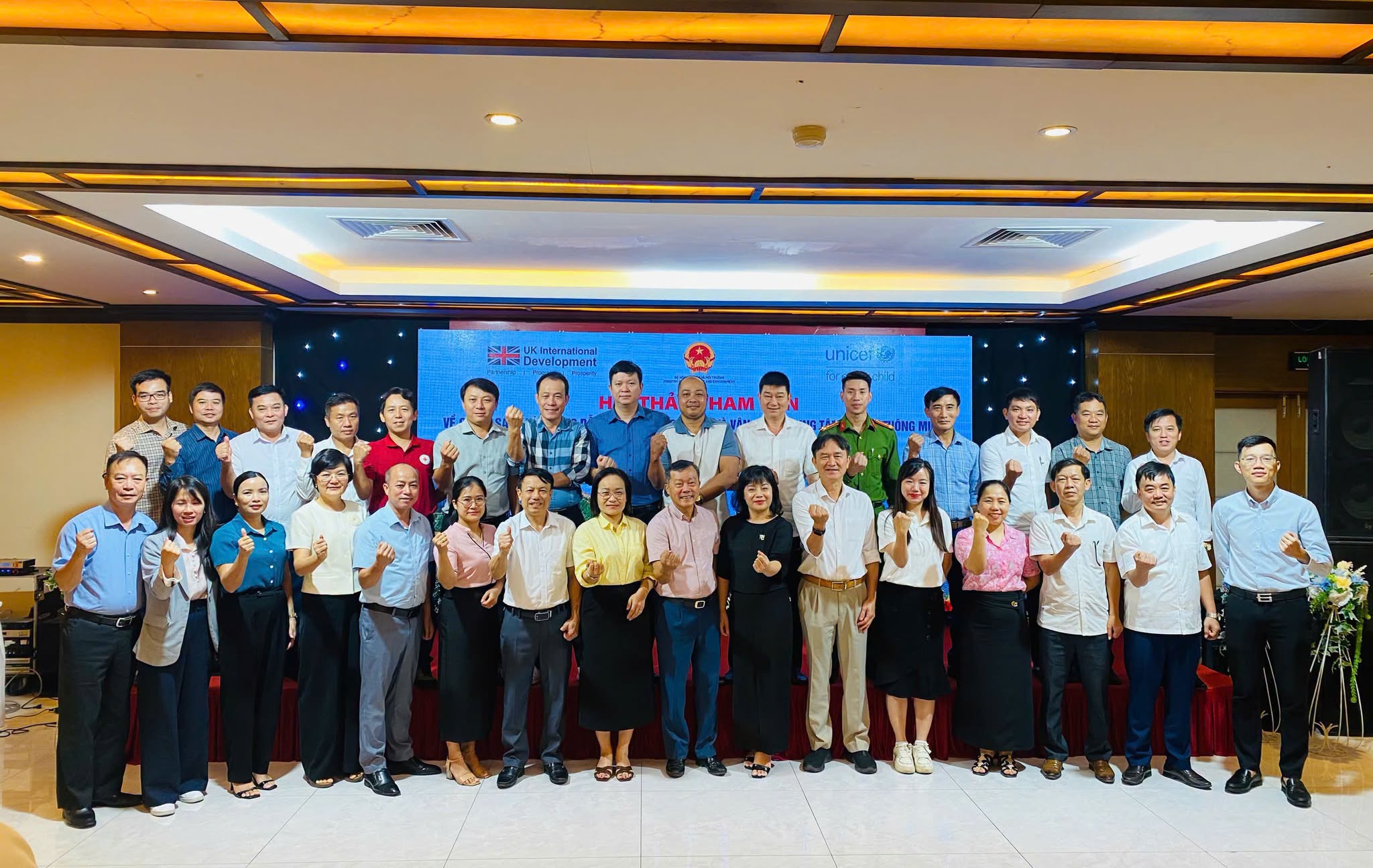
At the workshop, participants discussed and provided comments on the draft policy proposal and technical guidelines for the management and operation of CSECs. They also shared practical experience, challenges and recommendations concerning management mechanisms, resource coordination, minimum standards for evacuation sites, protection of children and vulnerable groups, and the application of technology in management and operations.
The consultation feedback will be consolidated, reviewed and incorporated to further refine the policy proposal and technical guidelines, contributing to improved evacuation arrangements, stronger community resilience, and better protection of children’s rights and interests in the context of disasters and climate change.
